For the majority of us, we will first notice stress in our body. In the evening, you may feel tight in the jaw after a long meeting, or have shoulders creeping toward your ears, or stomach that tightens every time the phone goes beep. The mind eventually follows suit – usually by 11 p.m. when the day plays on repeat in your head.
It is that ordering that makes it far more effective for a lot of people than “just relax” ever did yoga and meditation for stress relief. You can’t argue with a clenched jaw into releasing. The mind will follow, though – you can signal to the body something different.
How it actually works
Under stress, the body falls into its alarm mode: heart rate elevated, breathing shallow and fast, muscles tense. So, useful if you need to avoid an oncoming coach. This is not the best deal when what they’re threatened by is an unread inbox.
Which slowly exhaling is one of the very few things that you can do purposely as a band aid on your nervous system back into rest. Yoga incorporates that breathing into movement so you are practicing it during the workout as well. What meditation trains is this ability to notice a thought without getting on board the train of it. You do that for, say, a few weeks and you start noticing the spiral at number two instead of nine.
One honest caveat. Both practices look good in the research, but much of it is limited and variable. Consider them a solid support. If you drag about with ongoing anxiousness or depression, they accompany professional care, no longer instead of it.
What you tend to notice first
The benefits of yoga and meditation for stress relief manifest with little things before the biggame changers come. You do not become a calm person overnight. You reply to a nasty email just a touch more slowly. Before you can get angry, you notice you’re hungry. Your shoulders drop down from your ears and curl below the sides of your face for a little longer than they used to.
In the course of weeks, individuals often report a more stable mood, increased tolerance for family, and less of the wired-but-tired feeling. The body has less tension as a result: fewer stiff necks, looser hips, an easier back after a day at the desk.
Practices worth starting with
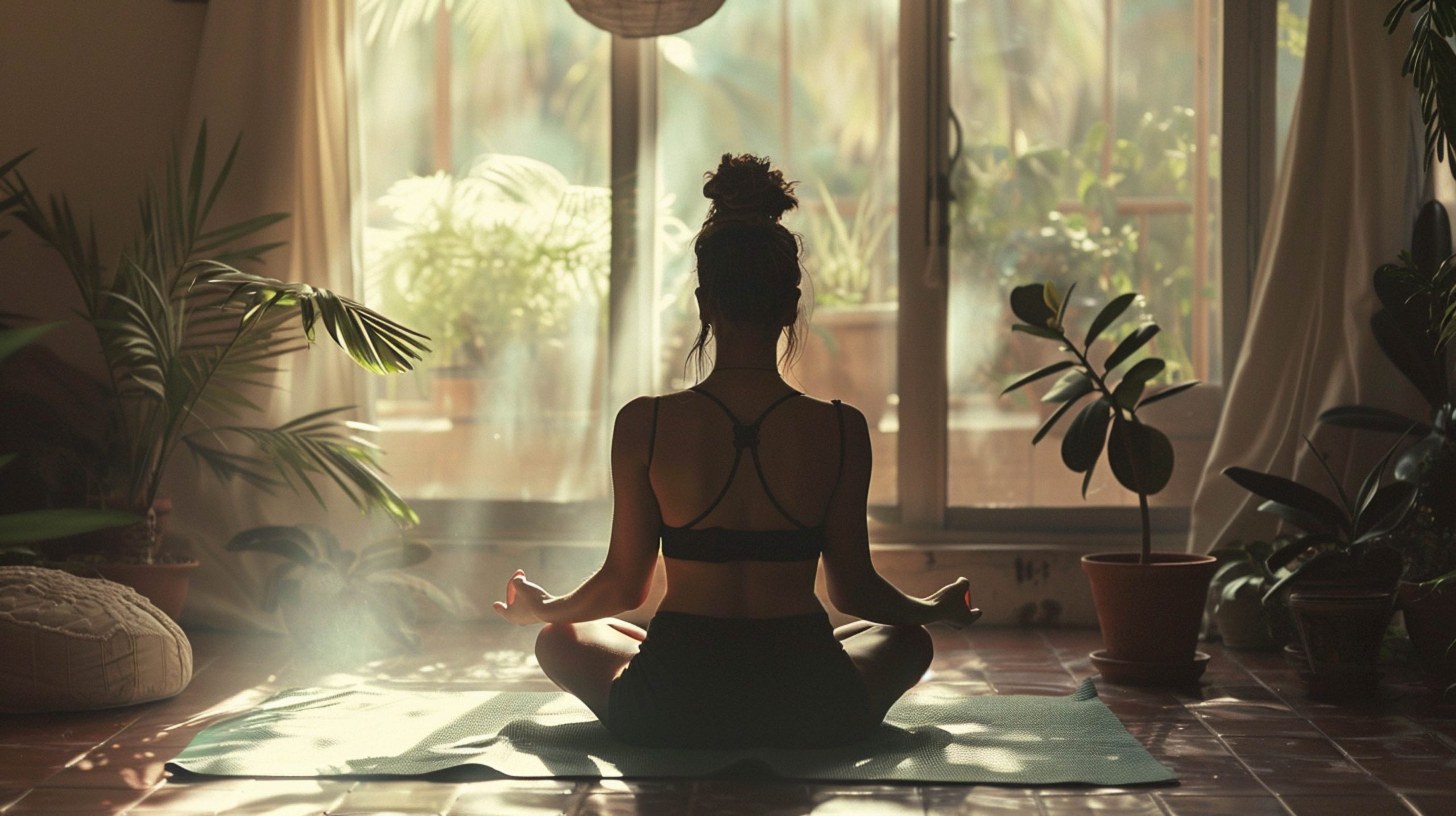
Keep it short. An hour you keep pushing away. For the breathing, it might be a hard/soft pattern where you can exhale for about twice as long as you inhale. When it comes to yogic methods, alternate nostril breathing (nadi shodhana) is the classic option and takes approximately five minutes. Nothing too dramatic; for movement, you need. Cat-cow warms the spine up, child’s pose allows the back to have a rest, seated forward fold slows all systems down, and legs-up-the-wall I would call undersold. If you want something a little more spicy, sun salutations galore will burn off that restless energy.
Meditation is as simple as counting till ten on the out-breath and starting over again when you lose track, which you will, over and over. That, not a fail of that exercise is the exercise. A body scan, slow attention from feet to head, works for those who cannot stand still sitting. For the first month, a lot of guided recordings.
At the same time, rest and well-being
Sleep is where most people notice for SEE the difference. A racing mind and a tight body are two of the top reasons for being awake all night, and the above practices go after both. Nothing better than a little evening routine of some slow stretching, long exhales & a short body scan that gives your system a runway to land on. This is where yoga nidra, or guided lying down practice comes in particularly useful. In fact, some of them are falling asleep before it ends.
Besides sleep, a regular practice can enhance flexibility, balance, posture, and the fundamental perception that your body is yours. Stress translates into digestion, pressure and mood; so calming it tends to calm those too. It is painstaking, contemplative work, but it compounds over time and for most yoga & meditation for stress relief emerges as the domino habit that makes all of the other sticks more productive.
When several weeks at home are insufficient
And sometimes, well, you just don’t bust out of your headspace and the phone and the commute and the laundry keep winning. That’s when going away helps. There is a long tradition of blending yoga and Ayurveda together in Kerala, so the hill station of Munnar strikes an effortless yoga destination spot with its crisp air and tea-covered slopes. A fast-paced world, an Ayurveda Yoga Retreat in Munnar provides you a set of days where the only thing to do is to practice and relax.
As you go further, there are treatment programs to consider. Plans for Ayurveda Treatment in Kerala is generally based on a consultation with a doctor who then prescribes diet, herbal medications and massage therapy according to your body type. Many people exercise Detoxification treatment in Kerala, which generally signifies a supervised purification regiment than merely a miraculous fix. Ayurvedic Panchakarma Munnar programs offered in the hills traditionally take place over a week or more using a multi-step process. Or you may take it easy at first with Ayurvedic Treatment in Munnar, just a few massages and reset on the way you eat. Whatever your choice is, start by asking about the practitioner’s qualifications and inform him or her about any pre-existing medical condition that you may have or if pregnant. So while Panchakarma is an amazing experience, it isn’t for everyone.
A peaceful environment can make it easier to build healthy habits and step away from everyday stress. Choosing Ayurveda Treatment in Munnar allows individuals to experience traditional wellness practices in a calm, natural setting surrounded by greenery and fresh mountain air. When combined with Yoga and Meditation for Stress Relief, these practices may help ease physical tension, encourage mindful breathing and support emotional balance. Gentle yoga sessions, quiet meditation and adequate rest can create a refreshing break from demanding routines. While lasting improvements depend on consistency rather than a short retreat alone, the experience can provide a useful starting point for developing healthier ways to manage stress.
FAQs
1. How does yoga and meditation help with stress relief?
Yoga and meditation reduce mental tension, promote relaxation and help manage everyday stress through mindful breathing and gentle movement.
2. What are the benefits of yoga and meditation for stress relief?
They may reduce anxiety symptoms, improve sleep, relax muscles and support emotional well-being.
3. What are the best yoga and meditation practices for stress relief?
Child’s Pose, Shavasana, gentle breathing exercises and mindfulness meditation are helpful practices.
4. How can yoga and meditation improve overall health?
They support flexibility, balance, physical fitness and mental well-being.
5. Can yoga and meditation improve sleep and relaxation?
Yes. Regular practice may calm the mind, release tension and improve sleep quality.
6. Can yoga and meditation improve focus and concentration?
Yes. Meditation can strengthen attention and help manage everyday distractions.
7. How many minutes of yoga and meditation should I practise daily?
Beginners can start with 15–20 minutes daily and gradually increase their practice.
8. What are the physical benefits of practising yoga regularly?
Yoga improves flexibility, balance, muscular strength and posture awareness.
9. Can yoga and meditation improve overall quality of life?
Yes. They may support better sleep, emotional balance, physical comfort and stress management.
10. Is yoga and meditation suitable for all age groups?
Yes. Both can be adapted for children, adults and older people according to their health and physical abilities.