
Ayurveda Treatment for Cold
How do you cope with Cold?

People are going into panic mode when they detect someone is coughing, sneezing, or having a slight body temperature as the deadly COVID-19 virus spreads like wildfire worldwide. People are afraid to go to the hospital or clinic to see a doctor for fear of contracting an infection from someone else. People get more stirred up because SARS-COV-2 is so contagious, and they don’t realise that sudden discomfort in the throat, sneezes, or fever can also be caused by seasonal changes or the regular flu virus. The similarity of the symptoms of both diseases has led to invariable comparisons since SARS-COV-2 emerged in the middle of the regular flu season. Although some flu strains (such as influenza) can be prevented by vaccination, there is no vaccine available for the common cold virus. The Ayurveda Treatment for Cold in Kerala is more focused on preventing the disease and giving treatment for curing the disease from its origin.
According to Ayurveda, the Kapha Doshas manage the respiratory and nasal systems and the functioning of the stomach. In contrast, the Vata Doshas are in charge of controlling the body’s overall immunity. People with a poor balance of ojas are more susceptible to the common cold virus due to different degrees of ojas (i.e. immunity) in each individual. Although it may seem counterintuitive, boosting your immune system can significantly reduce the common cold symptoms. To avoid the dreaded springtime flu or cold, Ayurveda’s ancient remedies advise us to balance our diets according to the season. If you’re afraid of getting sick and getting a common cold or flu, don’t be! Ayurveda Treatment for Cold provides us with several home remedies for preventing the common cold. Many people also seek Ayurveda Treatment in Kerala for long-term immunity support.
Some symptoms of the common cold
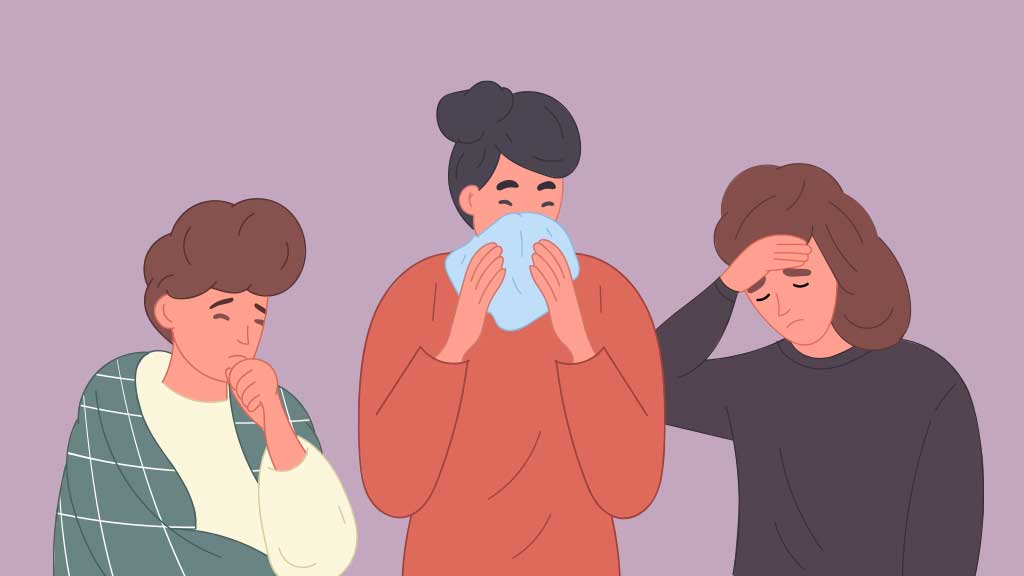
Some symptoms of the common cold occur during seasonal changes. Some of its symptoms are:
● Nose Blocked or Running
● Throat ache/scratch
● Sneezing
● Fatigue
● Aches in the muscles
● Appetite Deficiency
● Cough
● Headache
● Fibromyalgia with chills
Ayurveda Treatment for Cold in Ishani Ayurveda
● Remove AMA from the body
Drinking homemade immune-boosting drinks is a straightforward approach to cure common cold infections. These handmade drinks, also known as kadha in Ayurveda, are an aqueous extract of many herbs and entire spices that aid to balance the Kapha doshas while also flushing out AMA toxins from the body. This approach is similar to a Detoxification treatment in Kerala, helping boost immunity and protect the body against illnesses.
● Avoid kapha aggravators
Because an imbalance in the Kapha doshas causes a reduction in immunity, avoid foods that produce rheum particles and aggravate the cold. Avoid foods that have Sheeto (cold) or Guru (heavy) gunas, such as yoghurt, ice cream, banana, avocado, cheese, and similar items. Increase your intake of vitamin C-rich foods such as oranges, lemons, grapefruit, papaya, cauliflower, broccoli, and other vegetables. This dietary approach supports Ayurveda Treatment for Cold effectively.
● Chewing dry ginger
Dry ginger, also known as Sunthi, is noted for its bioactive ingredients, gingerols and shogaols, making it a natural expectorant. It not only relieves sore throats but also treats infections in the nasal passage and clears up phlegm deposits due to its potent antimicrobial and pain-relieving capabilities. To relieve coughs and colds, chew on a piece of dry ginger and allow the juice to reach your throat, or prepare it as tea.
● Nasya
The administration of an ayurvedic oil or liquid as a nasal drop through the nasal passage is an ayurvedic treatment. This nasya technique of pouring oil into the nostrils or applying it helps clear mucus deposits and remove toxins from the body. Nasya can be made with neem, ginger, or eucalyptus essential oils. It is often included in Ayurvedic Panchakarma Munnar therapies.
● Pranayama Techniques are being practised
Nasal and chest congestion can be relieved quite effectively with pranayama and yogasanas. When done regularly, these breathing exercises stimulate the parasympathetic nervous system, helping clear congestion, improve blood circulation, and relieve stress. These practices are also commonly recommended in Ayurveda Treatment in Munnar programs.
Self-care and preventions
There are a few things you can do to keep the intensity of your condition moderate. To get rid of a stuffy nose, inhale steam. In a basin of hot water, drop a few drops of eucalyptus oil. For a few minutes at a time, cover your head and the bowl with a cloth. Ensure the water isn’t too hot so that the vapour doesn’t burn your face. Maintain your health by strengthening your immune system. Amla and Tulsi are two plants that can help enhance your immunity. Make sure the room isn’t too hot. Allow the body to cool down naturally. Keep your distance from somebody who has a cold. Focus on getting enough sleep and maintain a well-balanced diet. Take plenty of hot water and beverages. Following these tips consistently supports Ayurveda Treatment for Cold.
FAQs
What is the purpose of consuming Sitopaladi Churna?
Sitopaladi Churna is an Ayurvedic concoction used to treat colds and coughs throughout the winter months. It has anti-inflammatory and expectorant qualities that aid in treating respiratory issues.
In Ayurveda, how does one treat a cold?
To control a cold, use two to three teaspoons (10–15 ml) of fresh Amla juice or half to one teaspoon (2.5–5 gm) powder of the same. Drink a glass of hot water with two lemons juiced in it and sugar to taste. Take it before going to bed since it relieves nasal catarrh.
Is Ashwagandha effective against colds?
Ashwagandha is a well-known medicinal herb used in Ayurvedic therapy for centuries. This fragrant root acts as an antihistamine and decongestant, providing relief from cold symptoms. To make a soothing drink, prepare ginger tea with lemon and honey.
In Ayurveda, what should we eat when we have a cold?
Focus on eating light, simple, and warm foods, especially clear foods like broths, liquids (water and herbal teas), and seasonal vegetables like leeks, bok choy, and kale that become soft when cooked.