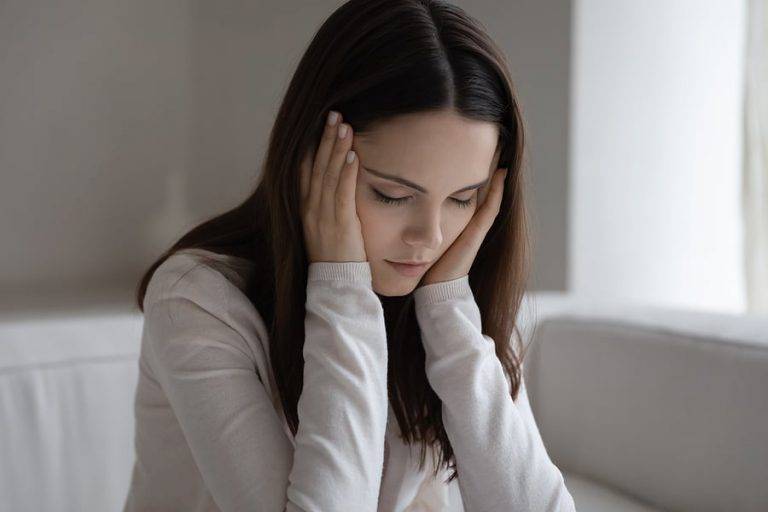
An individual may sleep eight hours and still get out of bed fatigued. Food may be normal, but the digestive process feels off. The body works, everyday duties are carried out and medical examinations may check negative for anything alarming. And, yet there is always this sense that physical and mental health is suboptimal, never good enough.
Ayurveda looks into this with respect to the balance of digestion, sleep, daily habits, physical activity and emotional strain.
This is a wider framework of looking at health which Ayurvedic Panchakarma Treatment aligns with. Panchakarma is a series of select therapeutic procedures, dietary regulation and restorative routines based on classical Ayurvedic Practice. Historically, it is used to help achieve your internal balance through a defined cleansing and rejuvenation process.
Not everyone gets the same treatment. The Ayurvedic physician will consider factors like age, appetite, physical strength, medical history, seasonal conditions and personal constitution to devise the procedures.
However, in Kerala, forms of Panchakarma have retained many traditional aspects. The traditional Ayurvedic uses of the region are still more closely associated with oil applications, herbal preparations and specialized therapies.
The main thing that differentiates it is the focus on the individual and not just counting of therapies done.
A treatment programme might focus on relaxation of the body, comfort of digestion, good sleep or simply vitality. Often, these concerns overlap.
The Practical Benefits of Rest and Renewal for Physical Renewal
Rest is often misinterpreted as not doing anything at all. You have someone who can stay inside for the whole weekend without any real quality of rest.
But the response of the organism is no longer the same when rest is associated with regular meals, appropriate therapeutic care, good hygiene and sleep as long as you feel like it and a daily rhythm that looks betteritale.
Panchakarma programmes provide an appropriate setting, allowing us to pay deliberate attention to these factors.
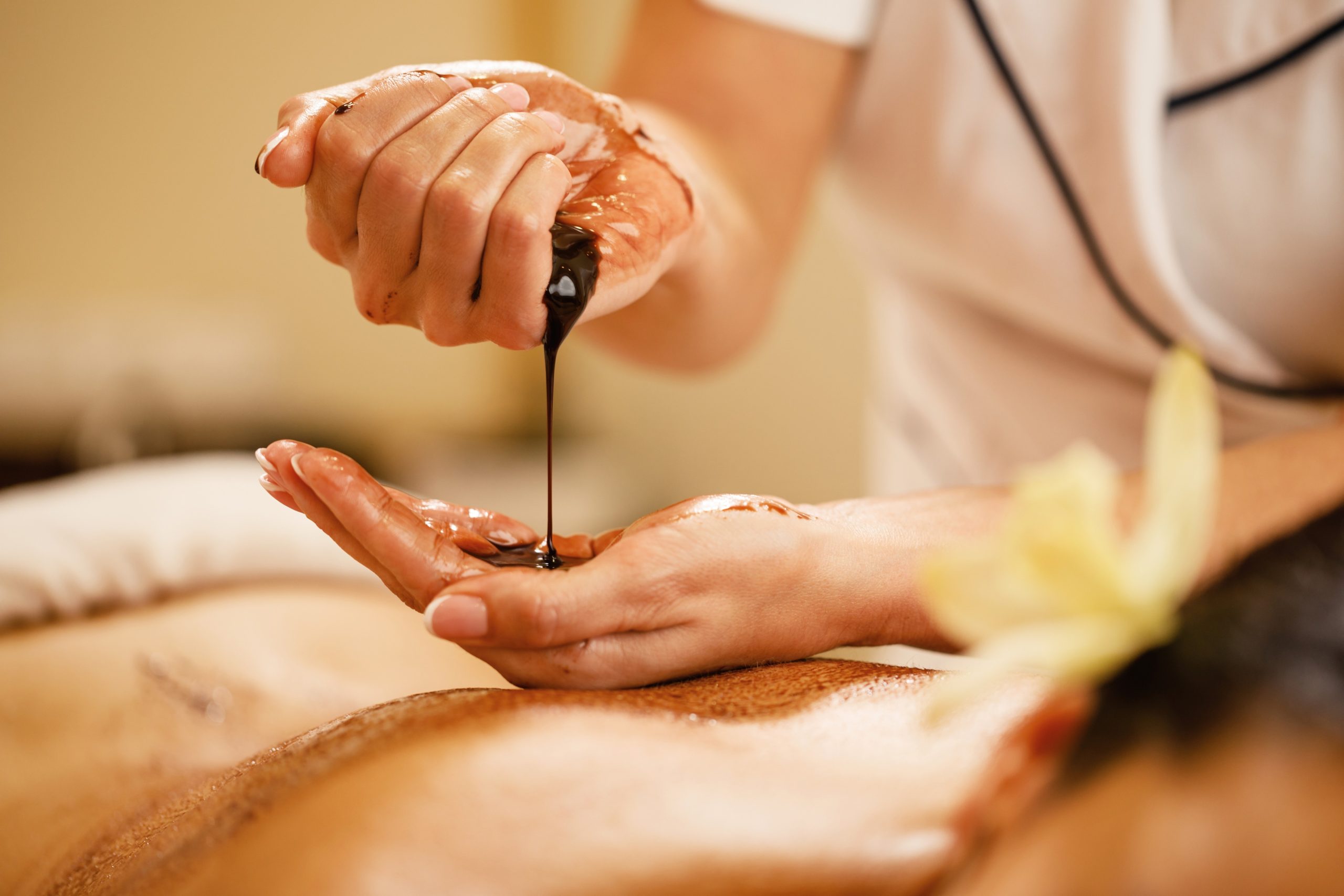
Abhyanga, or traditional oil massage, is a component of many preparatory and rejuvenation programmes. Rhythmic movements are carefully selected to suit the requirement of the individual and applied gentle warm medicated oils.
It also induces muscle relaxation which is a break welcome from the typically held tension in a long working scenario or various sedentary conditions.
When appropriate a therapeutic sudation may be performed after the application of oil and this is know as Swedana. Combining is usually made for preparing the body for selected Panchakarma procedures.
For rejuvenation, of course, is not always physical and dramatic.
At other times it means waking without the literal weight of heaviness, moving with greater ease or even feeling rested enough to face the day without dragging along an unnecessary degree of fatigue.
These changes are open to interpretation, but are integral parts of wellness.
This is a luxury that many candidates undergoing Panchakarma Treatment in Kerala cherish, having the chance to adhere to an organized wellness routine dedicated solely to bodily care and rehabilitation.
Difference Between Progressive Approach to Internal Cleansing and Traditional Digestive Balance
Digestion itself is a cornerstone of Ayurvedic thought.
The classical definition of Agni (digestive fire) refers to the ability of our body to metabolize food and has a balanced digestion system. This is an Ayurvedic system and not a direct equivalent to anything in modern lab measurements
Obtaining out of sync food timing, consuming in a hurry and sleep deprivation can affect the digestive comfort. This structure also lends itself to a more careful analysis of these habits during a treatment stay.
Panchakarma usually consists of an electrolyte programme tailored to the person under treatment.
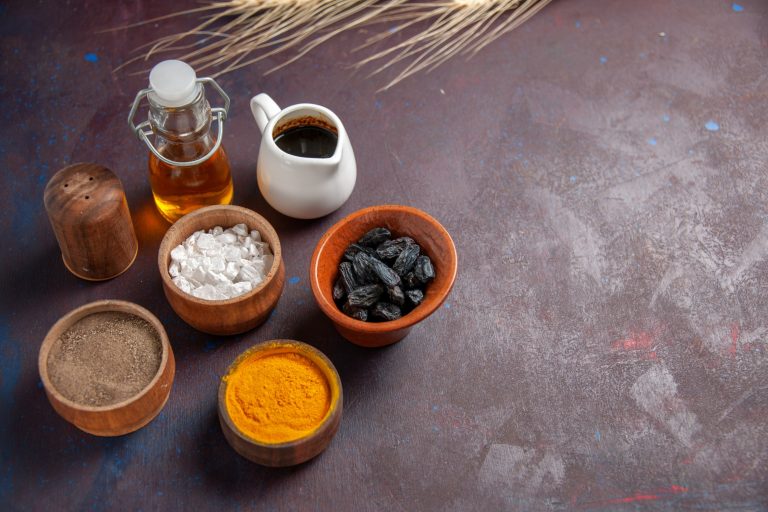
Fresh foods that have been prepared and are simple to digest tend to be favoured. As per recommendations from the physician, rice gruel in proper quantity suitable vegetables, warm preparations and amounts of food can be included.
This is not about complicated food restriction. This is to create regularity while aiding comfortable digestion.
Detoxification treatment in Kerala is traditionally associated with Shodhana therapy in Ayurveda. This forms the guiding framework through which specific Panchakarma procedures are selected based on an individual’s health assessment.
For instance, Virechana and Basti are classical procedures but they have very different techniques and indications. They should be selected based on clinical judgement, and appropriate preparation and follow up care must occur.
The contemporary lexicon of detoxification must not be confused with an established capacity to remove certain environmental toxins. The focus of practical wellness remains on individually tailored treatment, digestion, nutrition and restorative practices.
What most people appreciate is the chance to learn how their diet effects satiety, hunger and energy.
Mental relaxation, sleep and emotional well-being
Mental stress seldom tends to be pure thought. A distressed mind could present with musculoskeletal /physical stress, difficulty sleeping, changes in appetite and inability to unwind after work. When designing a restorative programme, we should be mindful of the fusion of physical comfort with emotional wellbeing.
The experience of Ayurveda is an integration of these. A popular restorative Ayurvedic therapy, shirodhara involves pouring a steady stream of warm liquid over the forehead in a gentle, rhythmic manner. It is appreciated due to its relaxing effect, in addition to the silent atmosphere of an Ayurvedic massage.
Gentler yoga, breathing practices and meditation may be an adjunct with the treatment schedule. The arrangement matters. Someone bouncing around between appointments, phone calls and unfinished business has little time for real rest. A daily plan makes for a new atmosphere.
Having going to bed at the same hour, quieter evenings and less daily stimulation might make regard for drift off more agreeable.
Not always having an output from the mind is also useful. Instead of regarding relaxation as a distinct process, Ayurveda Treatment in Kerala had applied sheer importance on such components of your lifestyle.
For people who want to feel physically better in their everyday life, a phase of more formal rest can also represent a sensible launching pad for healthier lifestyle behaviors in their home environment.
Personalised Panchakarma Care in the Natural Surroundings of Munnar
Aspects of a residential wellness programme are also more practical, such as where you spend time.
Stillness, good weather and a reasonable daily rhythm help sleep and meal regularity.
And it has a location that is really quiet for this kind of care. Its hills and vegetation, along with a cooler climate provide respite from the noise and bustle of more populous regions.
Panchakarma at Ishani Ayurveda Yoga Heritage, Kunjithanny, Munnar Based in a traditional Ayurvedic treatment environment.
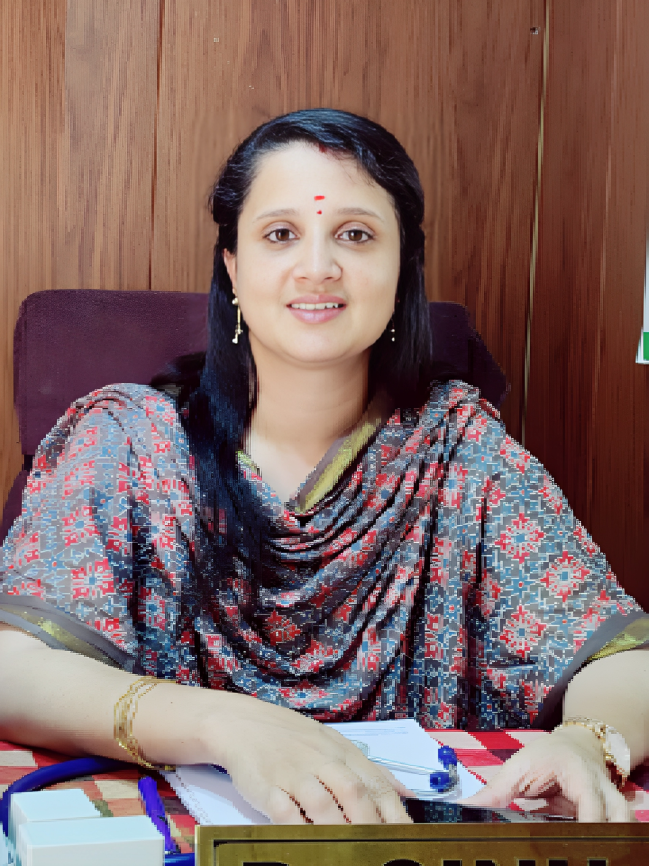
The centre claims to provide physician-supervised care with support from trained therapists, separate male and female therapy staff and dedicated Panchakarma treatment facilities.
Its programmes combine traditional natural therapies, nutritional coaching and complementary lifestyle practices.
The individual assessment remains central. Thus, a person who wants rejuvenation in general will receive one programme for himself and people requiring a longer course of habitual procedures — another.
People thinking about Ayurveda Treatment in Munnar are advised to converse their requirements, time availability and health condition before selecting a programme.
Ishani provides detoxification programs that vary between 7, 14, 21, and 28 to even a stunning forty-one days!
A longer stay is not necessarily a best practice. The optimal length primarily depends on the individual goals of the therapy, procedures recommended and also an individual’s ability to stay brightened with this regimen.
FAQs
1. What are the benefits of Ayurvedic Panchakarma Treatment?
Panchakarma is traditionally intended to support internal balance, physical rejuvenation and digestive well-being. Its structured combination of therapeutic procedures, rest, suitable nutrition and lifestyle guidance may also promote relaxation and greater awareness of personal health habits.
2. What are the different therapies included in Ayurvedic Panchakarma Treatment?
The classical procedures include Vamana, Virechana, Basti, Nasya and Raktamokshana. Preparatory and complementary therapies may include Abhyanga, Swedana and Shirodhara. The physician selects the procedures appropriate to each individual rather than routinely administering all five.
3. How does Ayurvedic Panchakarma Treatment support overall wellness?
The programme addresses several aspects of well-being through a coordinated routine. Therapeutic care, regular meals, adequate rest and individualised lifestyle recommendations create an opportunity to improve daily habits while supporting physical and mental comfort.
4. How does Ayurvedic Panchakarma Treatment support relaxation and rejuvenation?
Warm oil therapies, a quiet treatment environment, gentle movement and planned periods of rest can encourage relaxation. Rejuvenation programmes also provide time to establish healthier sleeping and eating routines without the usual pressures of daily schedules.
5. What is the difference between Panchakarma and other Ayurvedic treatments?
Panchakarma refers specifically to a classical system of therapeutic purification procedures requiring preparation, clinical selection and aftercare. Other Ayurvedic treatments may focus on oil application, herbal preparations, massage or particular wellness concerns without involving classical purification procedures.
6. How many days is Panchakarma Treatment usually recommended?
Programmes commonly range from 7 to 21 days, while more extensive traditional treatment courses may last 28 days or longer. The duration is determined after evaluating the person’s health, treatment objectives and recommended procedures.
7. Can Panchakarma Treatment be customised for each person?
Yes. Individualisation is fundamental to traditional Ayurvedic practice. Physicians consider age, constitution, digestive patterns, physical strength, medical history and lifestyle before selecting therapies, dietary recommendations and treatment duration.
8. Can Panchakarma Treatment support better sleep?
A Panchakarma programme may help establish conditions favourable to restful sleep through consistent bedtimes, relaxation-oriented therapies and a calmer daily routine. Individual responses vary, particularly when sleep disturbances have underlying medical causes.
9. What lifestyle changes are recommended after Panchakarma?
Regular meal timings, sufficient sleep, moderate physical activity, appropriate yoga practices and a manageable daily schedule are commonly recommended. Dietary advice is generally adjusted gradually according to the physician’s post-treatment instructions.
10. Are there any dietary restrictions during Panchakarma?
Dietary modifications are usually part of the programme. Meals may be lighter, freshly prepared and easier to digest, with adjustments according to the treatment stage. The physician determines which foods and portion sizes are suitable for each individual.