
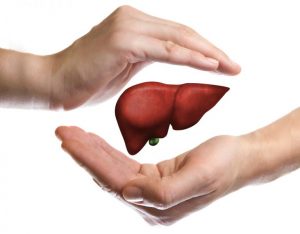
Cirrhosis is more than reduced liver efficiency. It involves established structural scarring that changes blood flow through the liver and reduces the organ’s functional reserve. That distinction changes the way supportive treatment should be approached.
A well-planned Ayurvedic programme works around the patient’s available physiological capacity: appetite, digestion, bowel regularity, nutritional strength, sleep, energy, fluid balance and tolerance for normal daily activity. Medical management continues to address the underlying cause of cirrhosis and its recognised complications, while Ayurveda can provide a structured supportive framework around the patient. Established cirrhosis requires ongoing management of its cause and complications rather than reliance on a single curative treatment.
In practice, Ayurveda Treatment for Liver Cirrhosis should begin only after the cause and clinical status of the disease are understood. Alcohol-associated liver disease, metabolic fatty liver disease, chronic viral hepatitis, autoimmune liver disease and cholestatic conditions do not behave identically.
The Ayurvedic assessment looks closely at appetite, digestion, bowel pattern, sleep, physical strength, abdominal comfort and nutritional tolerance. Blood investigations, imaging findings, prescribed medicines and specialist assessments remain part of that clinical picture.
The useful question is not simply, “Which herb supports the liver?” It is: “What does this particular patient need to maintain better physiological stability?” That produces a much more sensible treatment plan.
Supporting Digestion, Nutrition and Physiological Stability
Chronic liver disease can affect appetite, digestion, energy, muscle strength and sleep well before a patient feels seriously unwell. Early cirrhosis may even remain relatively quiet. When symptoms develop, fatigue, reduced appetite, weight loss, nausea, itching, muscle weakness and muscle loss can occur.
Ayurvedic management gives considerable attention to digestion because nutritional stability has enormous practical value in chronic liver disease. The patient should be able to eat comfortably and regularly.
That usually requires something less dramatic than patients expect: freshly prepared food, sensible meal timing, appropriate portions, adequate nutrition, easily tolerated preparations and avoidance of unnecessarily heavy meals. The diet also has to be practical enough to continue at home.
The word “detox” deserves careful interpretation in liver care. The useful objective is not an aggressive attempt to “flush” the liver. A professionally supervised Detoxification treatment in Kerala can instead focus on reducing avoidable physiological burden through appropriate diet, bowel regularity, rest, sleep, carefully selected therapies and a predictable daily routine.
Fluid, salt and nutritional requirements are individualized. A patient with stable compensated cirrhosis is not managed nutritionally in exactly the same way as someone with significant fluid retention. Protein and calorie requirements also need proper consideration, particularly when muscle mass has started to decline. Good liver care is often surprisingly practical.
Eat consistently. Preserve muscle. Maintain bowel regularity. Sleep properly. Avoid unnecessary physiological stress. Keep the plan sustainable.
Selecting Ayurvedic Therapies According to the Patient
Ayurveda Treatment for Liver Cirrhosis works best when it is individualized rather than delivered as a fixed treatment package.
The initial assessment should examine appetite, bowel function, sleep, weight trend, abdominal distension, physical strength, current medicines, diabetes status, blood pressure, previous hospital admissions and the patient’s recent liver and kidney investigations. Treatment can then be adjusted to what the body can comfortably handle.
An Ayurvedic programme may incorporate physician-selected internal preparations, dietary regulation, external oil therapies, relaxation-oriented procedures, gentle supportive treatments and selected Panchakarma procedures where clinically appropriate.
Panchakarma itself should not be viewed as a single treatment of fixed intensity.
A patient searching for Ayurvedic Panchakarma Munnar should ideally expect an assessment-led programme in which procedures are selected and modified according to digestive strength, hydration, nutritional condition, bowel response, sleep and overall clinical stability.
The same principle applies when considering Ayurveda Treatment in Munnar. Residential treatment has particular value when observation is continuous enough for meals, medicines, activity, rest and procedures to be adjusted according to the patient’s response rather than simply following a predetermined timetable.
Internal Ayurvedic preparations also deserve precise prescribing. A professional liver-care programme should favour clearly identified, quality-controlled preparations and review the patient’s existing medicines before adding oral formulations. Medical authorities recommend that people with cirrhosis discuss herbal and complementary medicines with their treating clinicians, and quality control is particularly relevant when choosing traditional preparations. The principle is straightforward: fewer assumptions, better selection.
Diet and Daily Routine Have a Larger Role Than They Appear To
Patients sometimes expect the medicine to do most of the work and regard diet and daily routine as secondary instructions. In chronic liver care, that hierarchy makes little sense.
Meals should be regular, nutritionally adequate and easy to tolerate. Long periods without food and unnecessary restriction can work against the objective of preserving strength, particularly when the patient is already losing weight or muscle.
A typical Ayurvedic dietary programme may use cooked grains, appropriate vegetables, pulses or other suitable protein sources, fruits according to tolerance, modest amounts of appropriate fats and spices chosen primarily for digestive comfort. There is no reason for every patient to receive exactly the same diet.
Diabetes changes the plan.
Kidney impairment changes it.
Ascites changes sodium and fluid considerations.
Loss of muscle changes nutritional priorities.
The cause of the liver disease matters as well.
Alcohol avoidance remains fundamental in cirrhosis. Medical dietary guidance also recognises the role of healthy food choices and individualized sodium management, particularly when oedema or ascites is present.
Sleep deserves similar attention. So does constipation. Gentle movement may be appropriate for a clinically stable patient whose activity levels have fallen, particularly where preserving functional strength is the objective.
A structured Ayurveda Treatment in Kerala programme can be helpful because it creates consistency: regular meals, supervised medication, predictable rest, appropriate therapy timing and observation of the patient’s response.
That consistency is clinically useful. Small improvements in appetite, bowel function, sleep and daily energy often reinforce each other.
Measuring Progress Beyond a Liver Function Test
The progress of Ayurveda Treatment for Liver Cirrhosis should not be reduced to whether one liver enzyme changes over a few days.
The better assessment is broader.
Is the patient eating more comfortably?
Is weight becoming more stable?
Is physical strength being maintained?
Has bowel function become more regular?
Is sleep better?
Has abdominal discomfort reduced?
Is the patient following the prescribed diet and medical treatment more consistently?
Can ordinary daily activities be managed with less exhaustion?
These are meaningful outcomes in long-term supportive care.
Laboratory monitoring, imaging and specialist follow-up continue alongside them. Cirrhosis can be associated with portal hypertension, ascites, varices, hepatic
encephalopathy and an increased risk of liver cancer, which is why structured medical surveillance remains part of good cirrhosis management.
Integrated care produces the cleanest treatment environment. The Ayurvedic physician should know which medicines the hepatology team has prescribed. The medical team should know which Ayurvedic preparations the patient is taking.
The patient benefits when the two systems are not working blindly around each other.
A worthwhile result may appear modest on a report yet matter considerably in ordinary life: eating well again, sleeping through the night, maintaining strength, feeling less abdominal heaviness, tolerating daily activity more comfortably and following a diet that can actually be maintained for months. Cirrhosis care is usually a long game.
FAQs
1. How does Ayurveda support liver cirrhosis management?
Ayurveda can support cirrhosis management through individualized nutrition, digestive support, bowel regulation, sleep management, preservation of strength, suitable daily routines, selected external therapies and carefully chosen internal preparations. The strongest model is coordinated with regular liver-specialist follow-up.
2. What Ayurvedic treatments are used for liver cirrhosis?
Treatment may include individualized Ayurvedic formulations, dietary modification, external oil therapies, relaxation-oriented treatments and selected Panchakarma procedures. The programme is adjusted according to liver function, digestive capacity, physical strength, fluid status, kidney function and existing medicines.
3. What are the benefits of Ayurvedic treatment for liver cirrhosis?
Useful treatment goals include better appetite, improved digestive comfort, regular bowel movements, better sleep, improved day-to-day energy, preservation of nutritional strength and development of a sustainable daily routine.
4. What Ayurvedic therapies are recommended for liver cirrhosis?
There is no single therapy appropriate for every patient. A physician may select gentle external procedures, dietary measures, supportive internal medicines and suitable Panchakarma approaches according to the stage of the condition and the patient’s strength.
5. Can Ayurveda improve quality of life for people with liver cirrhosis?
Ayurvedic supportive care may contribute to quality of life by improving areas such as appetite, digestion, sleep, bowel function, mobility, daily routine and nutritional wellbeing. These can be valuable targets during long-term cirrhosis management.
6. How long does Ayurvedic treatment for liver cirrhosis take?
There is no standard duration. A supervised residential programme may continue for several days or weeks, while dietary measures, lifestyle planning, selected medicines and periodic follow-up may continue considerably longer. Duration is individualized according to disease stage, nutritional status, symptoms and treatment response.
7. What diet is recommended during Ayurvedic treatment for liver cirrhosis?
Food is generally freshly prepared, regular, easy to digest and nutritionally adequate. Protein, calories, sodium and fluid requirements are individualized. Diabetes, ascites, kidney function, body weight and muscle loss are considered when planning meals.
8. Is Ayurvedic treatment suitable for all stages of liver cirrhosis?
Ayurvedic supportive measures may be considered across different stages, with the type and intensity of treatment adapted to the patient’s medical stability. Advanced liver disease particularly benefits from close coordination between Ayurvedic and specialist medical care.
9. Are Ayurvedic herbs used to support liver health in cirrhosis?
Ayurvedic physicians may use selected herbs or classical formulations as part of individualized management. Product quality, accurate dosing, ingredient transparency and review of possible interactions with existing medicines are essential parts of responsible prescribing.
10. What are the early signs of liver cirrhosis?
Early cirrhosis may produce very few noticeable symptoms. When symptoms are present, they may include tiredness, weakness, reduced appetite, itching, unintended weight loss, nausea, mild discomfort in the upper-right abdomen, muscle weakness or muscle cramps.
Ayurveda Treatment for Liver Cirrhosis is most appropriately developed as coordinated supportive care, with treatment intensity matched to liver function, nutritional condition, digestive capacity and the patient’s overall clinical stability.