
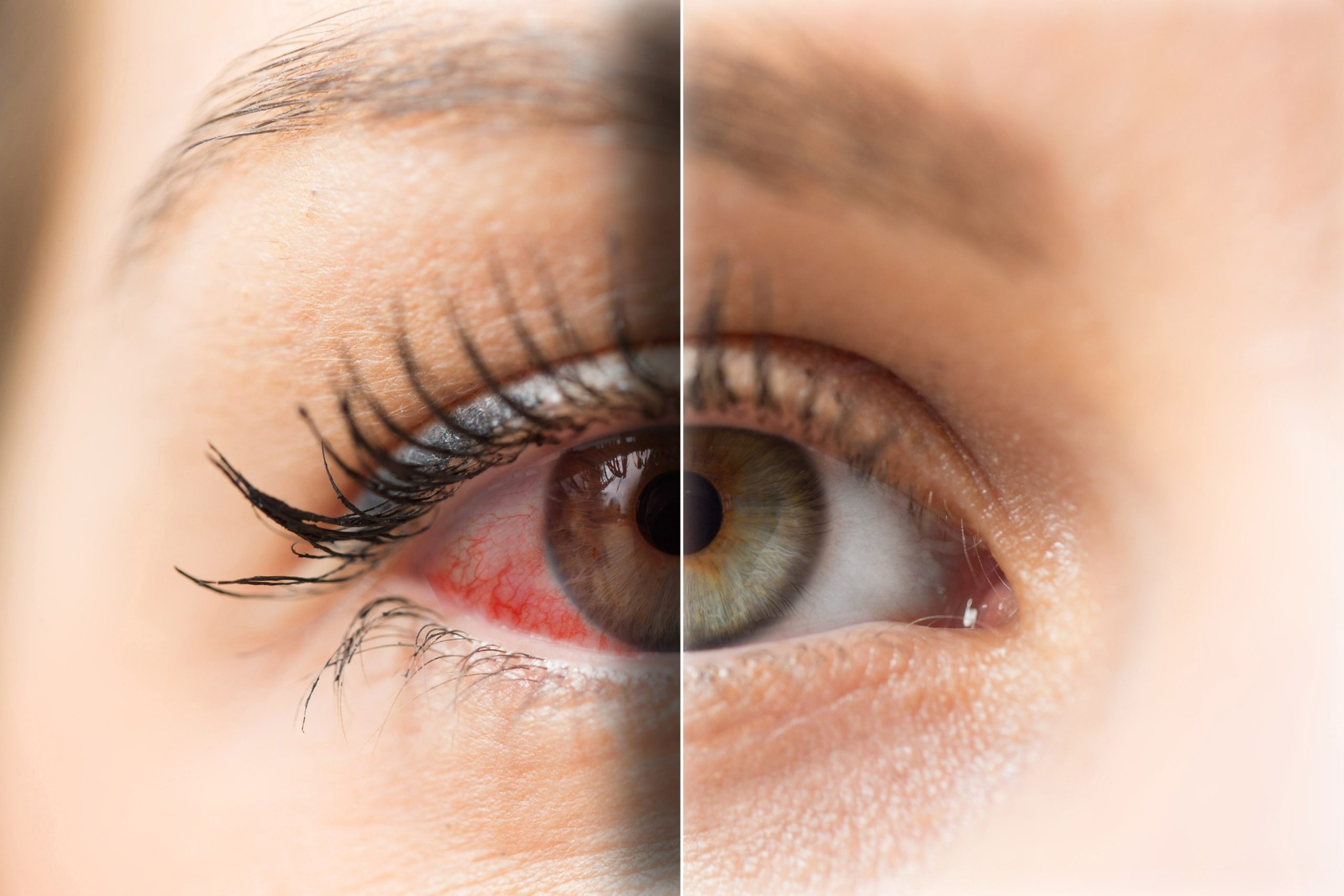
Most people don’t think about their eyes until something goes wrong. A burning sensation at the end of a long day. The dry, gritty feeling after hours on a screen. That recurring redness that antihistamine drops seem to fix for a while but never fully resolve. These are not dramatic problems, but they are persistent ones, and they’re becoming far more common.
Modern ophthalmology is exceptional at treating disease. Cataracts, glaucoma, retinal conditions — the surgical precision available now would seem miraculous even thirty years ago. But for the quieter, chronic complaints that don’t warrant a surgical solution, the options are often limited to lubricating drops and advice to reduce screen time. Neither gets to the root of why the eyes feel so depleted in the first place.
This is where Ayurveda offers something genuinely different. Not as a replacement for medical care, but as a system that has been thinking about eye fatigue, dryness, and visual strain for over three thousand years, and has developed careful, methodical responses to each.
The Ayurvedic Understanding of Vision
In classical Ayurvedic texts, the eyes are governed by Alochaka Pitta, a sub-type of the Pitta dosha responsible for perception and vision. This isn’t metaphor. It’s a functional model that connects eye health directly to digestive fire, liver function, and the body’s internal heat regulation.
When Pitta becomes aggravated, through stress, excess heat, irregular eating, or prolonged close work, the eyes are often among the first places it shows. Redness, burning, sensitivity to light, difficulty focusing. These aren’t random symptoms in the Ayurvedic view. They’re information.
This framing changes how treatment is approached. Rather than addressing only the eye in isolation, Ayurvedic treatment for eyes considers the systemic conditions that created the imbalance. Diet, daily routine, sleep quality, mental stress, all of these are part of the clinical picture.
Netra Tarpana: When the Eyes Are Literally Bathed
Of all the classical therapies, Netra Tarpana is probably the most striking to encounter for the first time. Warm, medicated ghee is pooled around the open eye using a dough dam, allowing the eye to rest submerged in the liquid for a prescribed duration.
It sounds unusual. It feels, according to those who have undergone it, profoundly calming.
The ghee used is typically Triphala Ghrita or another medicated preparation chosen based on the individual’s constitution and presenting symptoms. The fat-soluble properties of ghee allow active compounds to penetrate the ocular tissues, nourishing the lens, reducing inflammation in the conjunctiva, and relieving the deep muscular tension that accumulates in chronically overused eyes.
Ayurvedic treatment for eyes through Netra Tarpana is particularly documented for conditions involving dryness, early refractive errors, and strain-related fatigue. It is not a quick procedure — a proper course runs over several consecutive days — and it requires the careful hands of a trained practitioner. But its effects, for those who complete a full course, tend to be more sustained than anything a bottle of drops can achieve.
What Triphala Actually Does
The herb combination Triphala appears constantly in Ayurvedic eye care, and for good reason. It is made from three fruits (Amalaki, Bibhitaki, and Haritaki), each with distinct properties that together create a preparation with significant antioxidant and anti-inflammatory capacity.
For eye care specifically, a diluted Triphala wash applied to the eyes has a long history of use for reducing redness, clearing mild infections, and strengthening the surrounding tissues. Research in recent decades has begun to examine its constituent compounds, particularly the high vitamin C content of Amalaki, with some interest in its potential role in reducing oxidative stress in the lens.
Other herbs used in Ayurvedic eye care include Punarnava, which addresses fluid retention and puffiness around the eyes; Yashtimadhu (licorice root), used for its cooling and anti-inflammatory properties; and Shatavari, which supports tissue nourishment and is particularly relevant in dryness presentations. None of these are miracle cures. They work gradually, through consistent use, in combination with broader lifestyle adjustments.
Dry Eyes: Why Drops Alone Often Aren’t Enough
Dry eye syndrome has become close to epidemic, and the explanation isn’t complicated. Screens reduce blink rate. Air conditioning reduces ambient humidity. Stress and poor sleep impair the quality of the tear film. The result is eyes that never quite feel comfortable.
Standard treatment addresses the symptom: add moisture. Ayurvedic treatment for eyes approaches it differently, asking what has disrupted the body’s own ability to maintain adequate lubrication.
In Ayurvedic terms, dry eye is frequently a Vata aggravation, the dosha associated with dryness, movement, and depletion. Treatment involves not just external applications but internal nourishment. Warm, unctuous foods. Adequate hydration. Reduced exposure to wind and cold air. Nasya therapy, where medicated oils are administered through the nasal passages, is considered relevant here because of the anatomical connection between the nasal cavity and the lacrimal drainage system.
This is the kind of thinking that makes Ayurveda difficult to evaluate by standard trial design — the intervention isn’t a single compound but a constellation of adjustments that interact with each other. The trade-off is that it requires more patient engagement and patience. But for people with chronic dry eyes who have become dependent on drops multiple times a day without improvement, a systemic approach is often worth serious consideration.
Daily Eye Stress and the Question of Prevention
Most people who seek out Ayurvedic eye care do so reactively, after symptoms have already developed. The classical texts, though, are primarily preventive in orientation.
Trataka is one practice that merits attention here. It involves sustained, unblinking focus on a fixed point — traditionally a candle flame, for increasing periods of time. Used regularly, it is said to strengthen the muscles of the eye, improve concentration, and clear the visual channel. From a purely physiological standpoint, intentional practices that involve sustained focus and deliberate blink control do appear to exercise the extraocular muscles and promote tear distribution differently than ordinary use.
Palming, the simple practice of cupping warm hands over closed eyes, is another daily recommendation that costs nothing and has an immediately felt benefit for anyone who spends significant time at a screen. The warmth and darkness together allow the eyes to drop their constant state of vigilance.
These practices aren’t flashy. They don’t require a visit to a practitioner. But in a system that views consistent small habits as more powerful than occasional dramatic interventions, they represent the foundation.
Kerala: Where Classical Ayurveda Is Still Practiced Properly
Not all Ayurvedic treatment is equal, and anyone seriously considering therapeutic care rather than wellness tourism needs to understand the difference. Kerala has maintained a continuous tradition of classical practice that many other regions have lost or diluted. The climate, the availability of authentic medicinal plants, and the lineage of trained practitioners have kept standards high in ways that matter for therapeutic outcomes.
For eye conditions specifically, Kerala’s Ashtavaidya families and established treatment centers offer protocols that are derived from the Ashtanga Hridayam and other classical sources rather than adapted for commercial packaging. A genuine detoxification treatment in Kerala, when indicated and properly administered, addresses accumulated toxins (ama) that Ayurvedic theory considers a root contributor to chronic sensory organ dysfunction.
Munnar, in particular, has become a serious destination for Ayurvedic care rather than just scenic retreat. The cool, clean air and relative quiet of the high ranges suit recovery and treatment. Ayurvedic Panchakarma Munnar is offered at centers that combine the environmental benefits of altitude with access to traditionally trained practitioners, making it relevant not just for eye care but for the broader systemic rebalancing that eye problems often indicate. For those considering a more structured therapeutic course, Ayurveda Treatment in Munnar offers an environment where the work can happen without the interruptions and stresses of daily life that tend to work against healing.
Similarly, Ayurveda Treatment in Kerala more broadly benefits from proximity to the original source materials and accumulated clinical knowledge of a tradition that has been continuously practiced here, not reconstructed from texts elsewhere.
Is Ayurvedic Eye Care Safe Over Time?
The question of long-term safety is reasonable and worth addressing directly. Ayurvedic preparations vary considerably in quality, and the commercial market includes products with little genuine therapeutic value and, occasionally, preparations with inadequate quality control.
For the classical therapies described here, when administered by qualified practitioners using properly prepared medicines, the safety profile over time is generally considered good. Netra Tarpana performed correctly is not damaging to the eye. Triphala wash at appropriate dilution is well tolerated. Herbal preparations used internally in therapeutic doses are distinct from the concentrated pharmaceutical extracts that raise hepatotoxicity concerns in some herb-drug interaction research.
The honest caveat is that individual assessment matters. Ayurvedic treatment for eyes is not uniform — what is appropriate for a Pitta constitution with inflammatory symptoms is different from what suits a Vata constitution with dryness and depletion. Self-administered treatment based on general information has limits. The system was designed to be personalized, and it works best that way.
A Different Way of Seeing
There’s something worth sitting with in the Ayurvedic premise that the eyes are not isolated organs but windows into the state of the whole body. Persistent eye strain may be telling you something about your liver. Chronic dryness may be pointing to a systemic Vata aggravation that also shows up in your joints, your skin, your digestion.
Whether or not you accept that framework entirely, it produces a different kind of attention. One that asks not just “how do I stop this symptom” but “what is the body trying to communicate?” That question, however you answer it, tends to lead somewhere more useful than the next bottle of lubricating drops.
FAQs
What is Ayurvedic Treatment for Eyes?
Ayurvedic treatment for eyes is a group of therapies developed from classical Ayurvedic medicine to treat various ophthalmic conditions like dryness, strain, redness, early refractive changes and fatigue. These consist of topical therapies, internal herbal preparations, dietary alteration and daily routines such as Trataka and palming etc. This method takes into account the eyes from a whole body perspective rather than simply an organ system.
Can Ayurveda improve eyesight naturally?
Ayurveda does not reverse the structural changes with established refractive errors such as myopia or hyperopia To this end, Ayurvedic care has more evidence of preventing the strain, fatigue, dryness and inflammation that worsen visual experience and may contribute to worsening vision. Pre morbid conditions and function complaints are more responsive than structural abnormalities.
What are the common Ayurvedic treatments for eyes?
The main modalities include Netra Tarpana, Anjanam (medicated collyrium instillation), Nasya (nasal oil) and also internal herbal formulations such as Triphala eye wash Panchakarma protocols when systemic detoxification is advocated before topical ocular therapy.
Which herbs are used in Ayurvedic eye care?
Triphala (the mixture of Amalaki, Bibhitaki and Haritaki) lies at the heart of most Ayurvedic protocols for ocular health. Some of the other commonly used herbs that can help include Punarnava, Yashtimadhu (Liquorice), Shatavari, Bhringaraj and many medicated ghee preparations like Triphala Ghrita. The mixture that is going to be used depends on the constitution of the person and also his condition at the time he goes in.
Can Ayurvedic eye treatment help with redness and irritation?
Yes, and this is one of the few places in which ayurvedic remedy for eyes has got a comparatively clear history. Since redness and irritation are Pitta-related presentations, the anti-inflammatory cooling preparations used in classical Ayurveda shall address this presentation at both topical (through skin) and systemic levels over time. For example a wash done with Triphala has immediate relief on an inflamed conjunctiva. However, to achieve lasting improvement invariably requires working from the root imbalance rather than simply a topical treatment.