Epilepsy is never just “fits”.
That word still gets used casually in clinics, homes, schools, offices, and sometimes even by people who should know better. A seizure can be dramatic, yes. Falling, jerking, frothing, injury, tongue bite. Everyone notices that. But epilepsy also lives in smaller, quieter episodes: a blank spell at breakfast, a strange rising sensation in the stomach, a child suddenly losing awareness for a few seconds, a person waking exhausted with no memory of the night, a brief confusion that family members keep dismissing as stress.
So when someone asks whether Ayurveda can help manage epilepsy naturally, the first answer has to be honest.
Ayurveda may support epilepsy management in selected patients, but it should not be treated as a casual replacement for neurological care. The World Health Organization notes that up to 70% of people with epilepsy could become seizure-free with appropriate antiseizure medicines, and that fact cannot be brushed aside because someone prefers the word “natural”. Natural does not automatically mean safe. Synthetic does not automatically mean harmful. That kind of thinking has caused avoidable seizures. The useful question is different.
Where Ayurveda Can Fit Safely
Where can Ayurveda fit without making the patient unsafe?
In classical Ayurveda, epilepsy is usually discussed under Apasmara, a condition involving disturbance of memory, awareness, consciousness, behaviour and bodily control. The old descriptions are not identical to modern neurology, and trying to force them into a perfect match is usually poor clinical thinking. Yet the Ayurvedic reading of the condition does pay attention to things modern consultations sometimes rush past: sleep disruption, digestive load, emotional shocks, excessive stimulation, irregular food, exhaustion, fear, suppression of natural urges, intoxication, poor recovery after illness, and the long slow weakening of the nervous system.
I am cautious when someone comes asking for Epilepsy Treatment in Ayurveda Kerala after stopping their tablets by themselves.
That is not bravery. That is risk.
A seizure-free period does not prove the disease has gone. It may prove the medicine is working. Or that triggers have been quiet for a while. Or that the threshold has not yet been crossed. NICE guidance for epilepsy management still recommends antiseizure medicine as the core medical treatment when indicated, usually beginning with one medicine where possible and reviewing the diagnosis if seizures continue despite appropriate treatment. Ayurveda should respect that boundary.
Where Ayurveda becomes useful is in the terrain around the seizures.
Poor sleep lowers seizure threshold. Alcohol can provoke attacks. Missed meals can trouble some patients. Fever, dehydration, menstrual changes, emotional stress, screen overuse, night shifts, irregular medicine timing, constipation, anxiety, and overtraining are not “minor lifestyle points” when the brain is already vulnerable. They are clinical material. They deserve attention.
Diagnosis Should Come Before Treatment Philosophy
A patient may say, “My scan is normal, so why am I getting seizures?” A normal scan does not cancel epilepsy. An EEG may be normal between seizures. Some patients have clear structural causes. Some do not. Some have childhood-onset epilepsy that improves. Some have drug-resistant epilepsy. Some have non-epileptic events that look like seizures but need a completely different approach. Some have both epilepsy and psychological events. This is why diagnosis matters before treatment philosophy.
Ayurveda fails when it treats every seizure as the same disease.
Vata-dominant presentations may show irregularity, sudden onset, fear, disturbed sleep, tremors, dryness, variable digestion and nervous exhaustion. Pitta involvement may bring heat, irritability, sharp digestion, disturbed dreams, anger, burning sensations, inflammation, or episodes linked with fever and intensity. Kapha involvement may look heavy, sluggish, dull, sleepy, congested, slow to recover, with coated tongue and poor metabolic movement. Mixed cases are common. Textbook purity is rare in real patients.
The mistake is giving the same ghrita, same kashayam, same oil, same detox schedule to everyone because the label says epilepsy. The body does not read labels.
In a serious Ayurvedic assessment, the physician should want details that patients rarely think to bring. Exact time of seizure. What happened in the 24 hours before it. Sleep the previous night. Food timing. Bowel pattern. Menstrual phase. Alcohol use. Screen exposure. Emotional shock. Fever. Missed antiseizure dose. New supplement. Weight change. Recent travel. Dehydration. Whether the patient remembers an aura. Whether the event began on one side. Whether there was tongue bite. How long confusion lasted afterwards. Whether there was injury. Whether the same pattern repeats.
A seizure diary is not paperwork. It is treatment.
Epilepsy Treatment in Ayurveda Kerala is often sought by international patients who want a calmer, supervised setting where food, sleep, therapies, medicines and observation can be brought into rhythm. That setting can help. Kerala’s Ayurvedic tradition has depth, especially in physician-led inpatient care, oil therapies, diet correction and Panchakarma planning. Still, a peaceful setting does not make epilepsy harmless. A centre treating epilepsy should ask for neurological records, medicine lists, MRI reports if available, EEG reports, seizure history and emergency instructions before beginning. If they do not ask, be careful.
Panchakarma, Therapies and Herbs Need Caution
Panchakarma is often marketed too aggressively for epilepsy. The word detox has been stretched so far that it now means almost anything: a juice fast, sweating, purging, massage, herbal powder, a luxury retreat. In Ayurveda, Shodhana is a medical decision, not a spa idea. Vamana, Virechana, Basti, Nasya and related preparatory procedures are chosen according to strength, age, disease stage, digestion, dosha pattern, medicine history and risk.
Can Panchakarma help? Sometimes, as part of a wider plan. Reviews of Ayurvedic epilepsy care describe Shodhana, Shamana and Rasayana approaches, including procedures such as Nasya, Basti, Shirodhara and internal formulations, but the clinical evidence is still not strong enough to claim a universal cure. That distinction matters.
A carefully planned Detoxification treatment in Kerala may support digestion, sleep, nervous regulation and metabolic steadiness. A poorly planned one may exhaust the patient, disturb sleep, alter medicine absorption, cause dehydration, provoke anxiety, or trigger a seizure.
I disagree with the advice that every epilepsy patient should “cleanse toxins first”.
Some patients are too weak. Some are elderly. Some are children. Some are already on complex medicine schedules. Some have uncontrolled seizures. Some have liver concerns. Some are underweight. Some have psychiatric comorbidity. Some panic during procedures. Some cannot tolerate fasting or purgation. Treatment must sometimes begin quietly: food timing, sleep correction, mild internal medicines, oil application, bowel regulation, counselling of the family, and coordination with the neurologist. Not dramatic. Often better.
Shirodhara is commonly requested because it sounds gentle and looks reassuring. Warm medicated oil flowing over the forehead can calm some patients, especially those with insomnia, anxiety, irritability and sensory overactivity. But it is not a seizure medicine in itself. It should not be sold that way. Oil selection matters. Duration matters. The room temperature matters. Whether the patient sleeps immediately afterwards matters. Strong smells, bright lights, noise outside the therapy room, delayed meals after therapy — these small things can undo the benefit.
Nasya is another therapy used in selected cases, especially where head, neck, sleep, sensory and mental symptoms are prominent. It can be useful, but timing is critical. It should not be done casually after food, during acute illness, during severe weakness, or when the patient is unstable.
Basti has a deeper place in Vata management. For patients with constipation, dryness, poor sleep, anxiety, erratic appetite and neurological instability, physician-guided Basti may be considered. But Basti is not an enema package. The oil, decoction, dose, schedule and patient preparation decide the outcome.
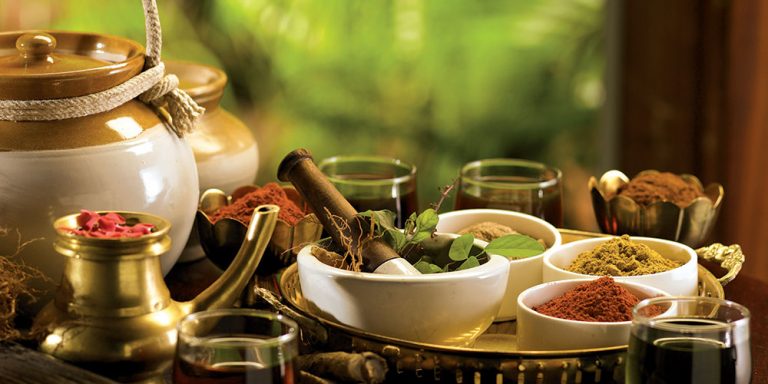
Herbal medicines need the same seriousness. Brahmi is often used for cognitive support, attention, memory and nervous system steadiness. Shankhpushpi appears in classical and modern discussions around cognition and calming, though good epilepsy-specific human trials remain limited. Vacha is classically important but must be handled with caution because quality, species, processing and dose matter. Ashwagandha may help stress resilience in some patients, but it is not suitable for everyone. Jatamansi, Guduchi, Yashtimadhu, Mandukaparni, Kushmanda preparations, medicated ghritas and specific formulations may be used depending on constitution and presentation.
The internet turns these into shopping lists. That is unsafe. The Epilepsy Foundation warns that herbal products are not automatically safe for people with epilepsy simply because they are natural, and some complementary products may interact with seizure medicines or affect seizure control. This is especially relevant when patients are taking sodium valproate, levetiracetam, carbamazepine, lamotrigine, clobazam, phenytoin, topiramate, or newer antiseizure medicines. Liver metabolism, sedation, sleep changes, absorption and adherence all matter.
Integrative Care, Safety and Realistic Outcomes
A common patient mistake is hiding Ayurvedic medicines from the neurologist and hiding antiseizure medicines from the Ayurvedic physician.
That helps nobody. A proper Ayurveda Treatment in Kerala for epilepsy should not begin with “stop all previous medicines”. It should begin with stabilisation. The first clinical aim is usually fewer triggers, steadier sleep, better digestion, improved bowel movement, calmer mind, safer routines, and fewer breakthrough seizures if possible. Reduction of antiseizure medication, when appropriate, belongs to the neurologist and should usually be considered only after a long seizure-free period with clear risk assessment.
There are cases where Ayurvedic care may fail. If there is a tumour, cortical malformation, post-traumatic scar, severe genetic epilepsy syndrome, active infection, progressive neurological disease, uncontrolled metabolic disorder, heavy alcohol withdrawal, or poor adherence to antiseizure medication, herbs and oil therapies alone are not enough. If seizures are frequent, prolonged, clustered, or associated with breathing difficulty, injury, pregnancy, fever, diabetes, or prolonged confusion, emergency medical care comes first.
No debate.
The best Ayurvedic physicians know when not to treat alone.
For children, the caution is sharper. Parents understandably search for gentle treatment when a child becomes dull, sleepy, irritable or slow after starting antiseizure medicine. That distress is real. Yet stopping medicines abruptly can be dangerous. A child with absence seizures may be labelled inattentive. A teenager with nocturnal seizures may be accused of laziness. A young woman may hide seizures because of marriage concerns. An older adult may be investigated late because family assumes confusion is ageing. These social details affect treatment more than any herb name.
Epilepsy carries stigma in almost every culture.
Worldwide patients come with different fears. In Europe, they may worry about driving and employment. In the Gulf, about work permits and disclosure. In India, about marriage and family reputation. In Africa, about spiritual blame. In the United States, about medication costs and independence. In all places, shame worsens care. People skip follow-ups, deny episodes, self-adjust medicine, avoid sleep because of work, drink secretly, or chase miracle claims.
Epilepsy Treatment in Ayurveda Kerala is most credible when it is positioned as integrative management, not miracle cure.
The food advice also needs restraint. Ayurveda will usually correct incompatible food habits, irregular meals, heavy late dinners, excess fermented food in some cases, alcohol, stimulant overuse, dehydration, and poor digestion. But not every epilepsy patient needs extreme restriction. Some become frightened of food. They remove dairy, gluten, rice, spices, fruit, oil, pulses, everything. Then they lose weight, sleep badly, become constipated, and feel weaker. A medically supervised ketogenic diet has evidence in epilepsy care, especially in selected drug-resistant cases, but that is not the same as casually cutting carbohydrates after watching a video. Epilepsy.com notes that ketogenic and less restrictive dietary therapies have been studied for seizure control, but they need proper guidance.
Daily routine is less glamorous than Panchakarma, yet often more powerful.
Same waking time. Same medicine time. Proper breakfast if the patient is sensitive to fasting. No late-night screen stimulation. No alcohol experiments. Hydration during travel. Rescue medicine plan if prescribed. Family members trained not to put objects in the mouth during a seizure. Side positioning. Timing the seizure. Knowing when to call emergency services. Avoiding unsupervised swimming, heights, open flames, locked bathrooms and dangerous machinery until seizure control is clear.
These are not “lifestyle tips”. They keep people alive. Ayurvedic Panchakarma Munnar programmes attract patients because the climate, quietness and distance from normal stress can support recovery. Ayurveda Treatment in Munnar may be suitable for selected patients who need supervised rest, physician-led therapies and a reset of rhythm. The same location may not suit someone with frequent uncontrolled seizures who needs immediate hospital access unless the centre has clear emergency protocols.
That is the practical question patients rarely ask: what happens if I seize during treatment?
The answer should be immediate and specific. Epilepsy Treatment in Ayurveda Kerala should involve consent, documentation, neurological coordination, medicine transparency, emergency planning and realistic outcome measures. Not just “balance Vata” written on a brochure. The outcome may be better sleep, fewer triggers, improved digestion, reduced anxiety, better tolerance of medicines, clearer routine, and sometimes reduction in seizure frequency. Some patients improve considerably. Some improve only in general wellbeing. Some do not respond. Some need advanced neurological options. There is no shame in any of these.
FAQ
Can Ayurveda Help Manage Epilepsy Naturally?
Ayurveda may help support epilepsy management by working on sleep, digestion, stress, bowel regularity, nervous system stability, trigger reduction and constitutional imbalance. It should usually be used alongside neurological care, not as an abrupt replacement for antiseizure medication.
What Are the Different Ayurvedic Treatments Available for Epilepsy?
Treatment may include internal herbal medicines, medicated ghritas, diet correction, sleep regulation, oil therapies, Nasya, Basti, Shirodhara, Rasayana support and selected Panchakarma procedures. The choice depends on the patient’s seizure pattern, strength, age, digestion, current medication and risk level.
Which Ayurvedic Therapies Are Commonly Used for Epilepsy Management?
Shirodhara, Nasya, Basti, Abhyanga, medicated ghee preparations, Brahmi-based formulations and calming Rasayana medicines are commonly considered. They should be prescribed after assessment, not selected from a general epilepsy package.
Can Panchakarma Help People Living with Epilepsy?
Panchakarma may help selected patients, especially where Vata disturbance, poor digestion, constipation, stress, disturbed sleep or metabolic heaviness are part of the clinical picture. It can also fail or cause problems if done too aggressively, during unstable seizure phases, or without considering antiseizure medication.
What Are the Best Ayurvedic Herbs for Supporting Epilepsy Management?
Brahmi, Shankhpushpi, Ashwagandha, Jatamansi, Guduchi, Mandukaparni, Vacha and medicated ghritas are often discussed in Ayurvedic epilepsy care. “Best” depends on the patient. Some herbs may interact with medicines or may not suit certain constitutions, liver conditions, pregnancy, children, or sedated patients.
Is epilepsy curable with Ayurveda?
Some patients may achieve better control, fewer triggers and improved quality of life with integrative care. Calling epilepsy curable with Ayurveda is not responsible. Cure depends on the type of epilepsy, cause, duration, age, neurological findings, medicine response and individual risk.
What causes epilepsy according to Ayurveda?
Ayurveda relates Apasmara to disturbance of the doshas, especially Vata, along with impairment of mental faculties, channels, digestion, memory and consciousness. Triggers may include irregular food, poor sleep, emotional shock, intoxication, exhaustion, suppression of natural urges and accumulated internal imbalance.
Is Ayurvedic treatment safe for epilepsy patients?
It can be safe when supervised by a qualified physician who knows the patient’s diagnosis, seizure pattern and current medicines. It can be unsafe when herbs are self-prescribed, medicines are stopped suddenly, Panchakarma is done aggressively, or emergency risks are ignored.
What are the benefits of Ayurvedic treatment for epilepsy?
Possible benefits include better sleep, reduced stress load, improved digestion, bowel regularity, nervous system calming, improved daily rhythm, better medicine tolerance and trigger awareness. In some patients, seizure frequency may reduce, but this cannot be promised.
Is Ayurvedic treatment suitable for all types of epilepsy?
No. Some patients are suitable for supportive Ayurvedic care. Some need urgent neurological treatment, surgery evaluation, emergency medicine, dietary therapy under medical supervision, or specialist epilepsy care. A good physician should recognise the difference before beginning treatment.